The idea that the web has moved away from a one-way conversation (corporate web sites, newspaper articles online, etc.) and towards a multi-layered conversation (users creating and uploading their own content, reviewing products and experiences, and commenting on articles published by traditional media sites) is fairly well established at this point. Generally, you'll hear people call this shift "
Web 2.0."
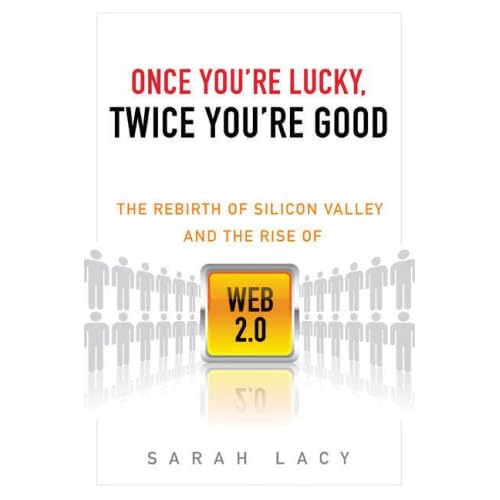
Sarah Lacy's upcoming book
Once You're Lucky, Twice You're Good: The Rebirth of Silicon Valley and the Rise of Web 2.0 is destined to be the definitive work on this idea.

When her book hits the shelves in May, it's likely to make a lot of non-Silicon Valley types examine exactly how this technological shift impacts the world around them.
For those of us in PR, the shift has been happening for quite a while. Brian Solis fixed the term PR 2.0 in the lexicon when he began a
blog of the same name in April of 2006, and
Todd Defren has been monitoring the impact of the new web on the communications industry from his vantage point at
Shift Communications for the past several years. Of course there are hundreds of other pundits and commentators as well - far too many to mention here.
The point is, they're all saying the same thing. More and more people have stopped simply receiving information and have begun to actively create it. More and more people now get their information from sources that didn't even exist 5 years ago.
My own information habits have changed drastically over the last few years. My morning hours are now spent absorbing information via blog readers, minute-by-minute updates from both industry leaders and personal friends via
Twitter and
Facebook, broadcast news delivered via
TiVo, and radio news delivered via podcast. At no point do I interact with traditional media in any way. And the same is true for most of my peers.
For the PR industry, this poses a particular problem. Since we're in the business of feeding information into an existing distribution structure, what happens when the structure shifts? The answer: We must shift as well. And fast.
While it used to be sufficient to send a standard press release to a set of wire services - now both the release itself, as well as the distribution mechanism, are in flux.
- Social Media Releases - Not all content creators are journalists. Journalists are trained to tell stories. Bloggers, pundits and analysts are much more interested in tracking industry changes one fact at a time. Traditional press releases are designed to tell the whole story at once. Social media releases just list the facts, key quotes, and critical issues.
- Social Media Optimization (SMO) - Just as search engine optimization (SEO - which I posted about earlier this month) is a critical component of any web strategy, optimizing your publicity efforts so they can be easily spread by supporters using social media sites is now critical as well.
If your publicity efforts are stuck in Web 1.0, now is the time to make a change. Otherwise you might find that you're still communicating, but no one's listening.

 Photo credit: Denis / Redux Pictures